Landscape Design Principles: Creating Harmony Between Lawn and Garden Jan 05, 2026
The first principle to consider is unity, which refers to the cohesive interconnection of all landscape elements. Unity is achieved through consistent theme, similar textures, and complementary colors. When designing your landscape, consider the purpose of your space, whether it's for relaxation, entertainment, or a play area for kids. Select plants that complement each other not only visually but also in terms of water and sunlight requirements. Using repetition in plant selection or hardscaping materials can also enhance unity, creating a seamless blend between lawn and garden.
Balance is another key consideration in designing your outdoor spaces. It’s the sense of equality in a design, where no single part overpowers the others. Two primary forms of balance exist in landscape design: symmetrical and asymmetrical. Symmetrical balance involves mirroring features on either side of a central line, creating a formal and structured look. Asymmetrical balance, however, is more dynamic, using differing elements arranged to still create equilibrium. C & D Landscaping Services, LLC recommends starting small and experimenting with plant groupings and structures to see what fits your taste before committing fully.
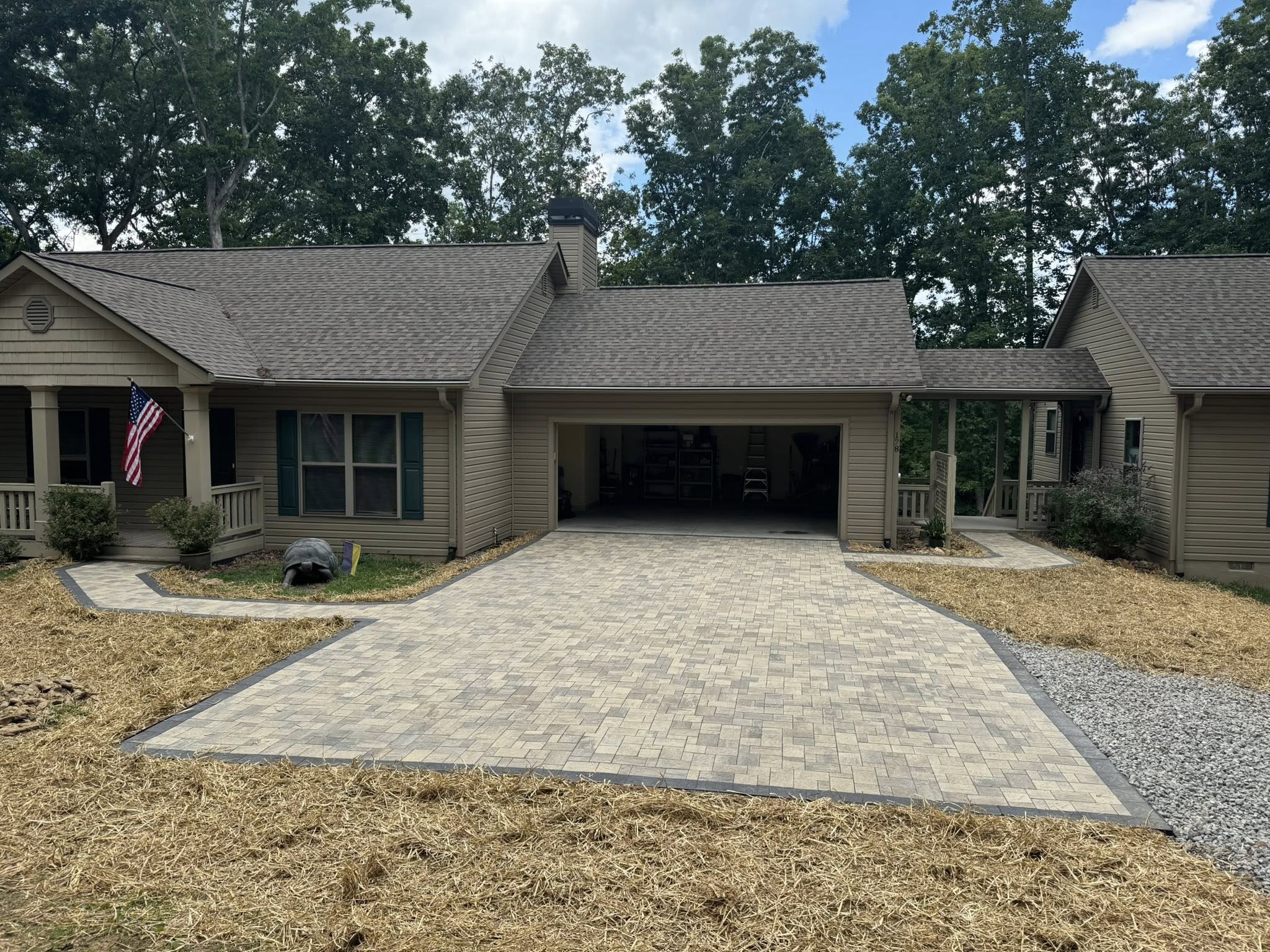
Transition involves the gradual change from one aspect of your landscape to another. Creating smooth transitions can be as simple as moving from lawn to garden bed through the use of stepping stones or a gravel path. Using transitional elements like hedges or rock borders can also wisely delineate spaces while maintaining fluidity in your landscape design. Think about the seasonal transitions too, choosing plants that bloom at different times to keep your garden colorful throughout the year.
Another aspect to focus on is scale and proportion, which plays a critical role in making sure that elements of your landscape fit well together and match the size of your property. Incorporate varying heights and sizes to add depth and interest, but keep in mind the overall scale. A massive stone structure, for example, may overwhelm a small backyard. Instead, opt for smaller features that accent rather than dominate. Our team at C & D Landscaping Services, LLC can guide you in choosing elements that harmonize well within your space.
Lastly, emphasis is creating focal points that draw the eye and hold the viewer’s interest. This could be an architectural feature, a specimen plant, or an art piece. Using contrasting elements can help highlight these focal points effectively. Remember, simplicity can be influential; a single tree with striking bark or foliage can capture attention without overwhelming the viewer.
In conclusion, landscaping is both an art and science, requiring a balance of aesthetics and practicality. While these principles provide a solid foundation, the true essence of landscape design lies in personal expression and creativity. Whether you're beautifying your front lawn or creating an expansive garden retreat, C & D Landscaping Services, LLC is dedicated to helping you realize a harmonious design that reflects your personality and enhances your home’s curb appeal. With thoughtful planning and a strategic approach, creating balance between lawn and garden will transform your outdoor areas into serene, functional escapes.
/filters:no_upscale()/filters:format(webp)/media/86423013-b9b8-4f87-8313-c997eb59d861.jpeg)