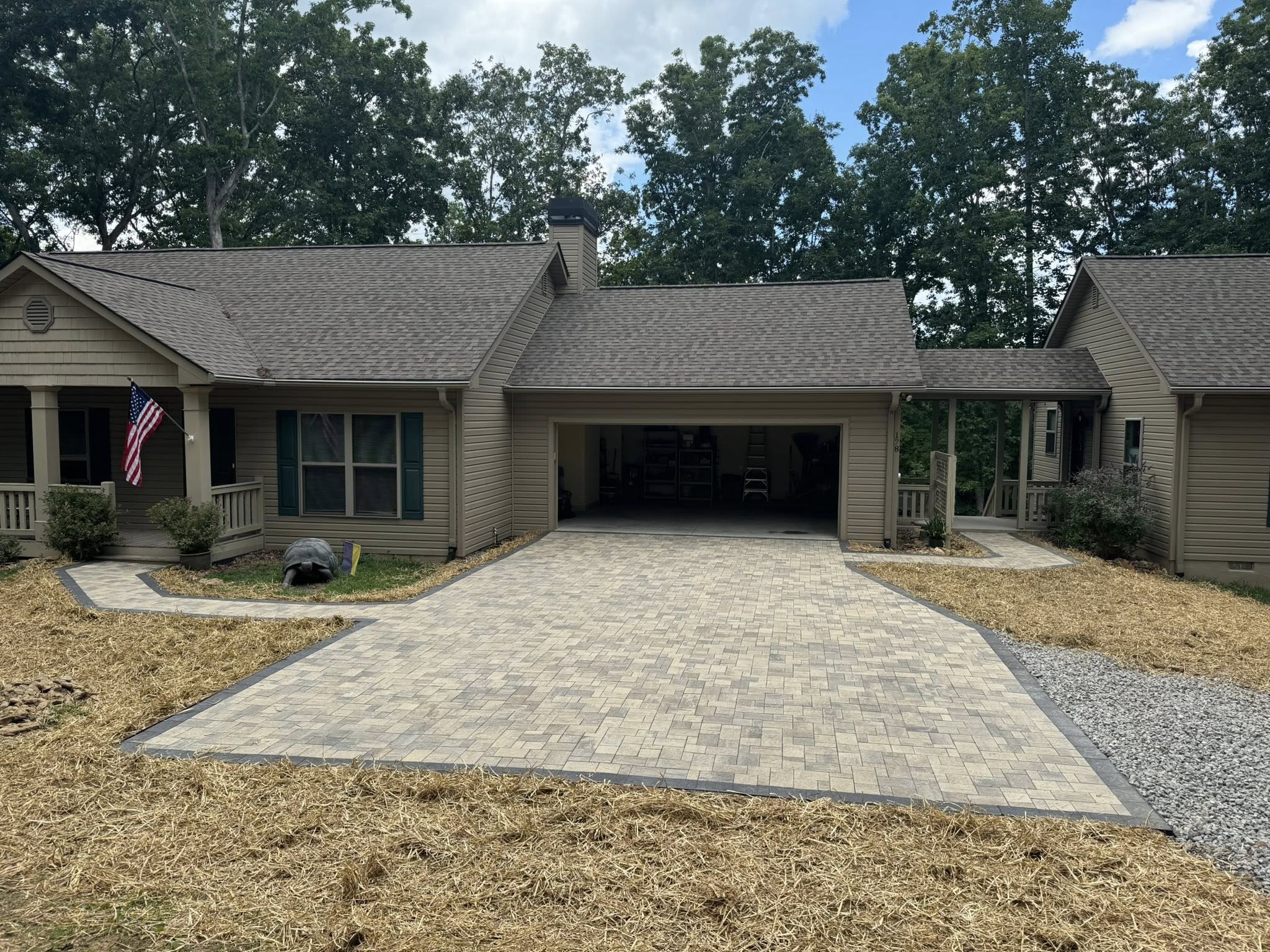
Designing Perfect Pathways: Enhance Your Garden with Stunning Hardscapes Feb 27, 2026
Pathways serve multiple purposes in garden design, from leading guests on a guided tour of your outdoor space to linking different areas like patios, sheds, or garden beds. A well-designed pathway enriches the garden's aesthetics while providing practical solutions for your landscape needs.
When considering pathway design, the first step is choosing the right materials. The choice of materials can significantly influence the overall look and feel of your garden. Popular options include natural stone, brick, gravel, or even repurposed materials for an eco-friendly touch. Natural stone pathways, for instance, offer a classic and timeless look, blending seamlessly with plants and garden elements. On the other hand, bricks deliver a more structured and orderly appearance, suitable for formal gardens.
It's essential to consider the pathway's function and how it integrates with the surrounding landscape. If you're aiming to create a pathway that lets guests explore the garden, consider curves and bends for an inviting and intriguing experience. For more straightforward access, ensure paths are broad and condition-friendly, avoiding overly slippery or unstable materials.
Dimension also plays a critical role in creating perfect garden pathways. A pathway that is too narrow may feel constricted and uncomfortable, especially if it sees frequent foot traffic. An ideal width should allow for two people to walk side by side comfortably. For less trafficked areas, a narrower path can create an intimate, cozy charm.
Incorporating lighting into your pathway design not only enhances safety but also adds a magical element to your landscape during the evening hours. Strategically placed solar lights or low-voltage fixtures can highlight the pathway's curves and textures, making it not only functional but a captivating focal point after sundown.
Design elements such as color and pattern can further personalize your garden pathway. Play with different shapes and sizes of the paving materials to create unique patterns, or use contrasting colors to add visual interest. This creativity not only makes your pathway a functional feature but also an artistic statement in your garden.
Maintenance is another crucial factor when choosing your pathway design in hardscaping. Some materials require more upkeep than others to maintain their appearance and functionality. For example, gravel paths may need regular raking and replenishing, while natural stone requires less frequent care but perhaps more during the initial installation.
In conclusion, designing perfect pathways involves thoughtful consideration of materials, dimensions, style, and maintenance. At C & D Landscaping Services, we are committed to helping you craft pathways that align with your dream garden vision, ensuring your hardscape provides beauty and function for years to come. With the right design, your garden pathways will lead to both stunning visual appeal and practical outdoor enjoyment. Whether you're rejuvenating your entire landscape or adding a new route through your idyllic space, pathways are an integral element to consider and create with care for lasting charm and utility.
/filters:no_upscale()/filters:format(webp)/media/86423013-b9b8-4f87-8313-c997eb59d861.jpeg)